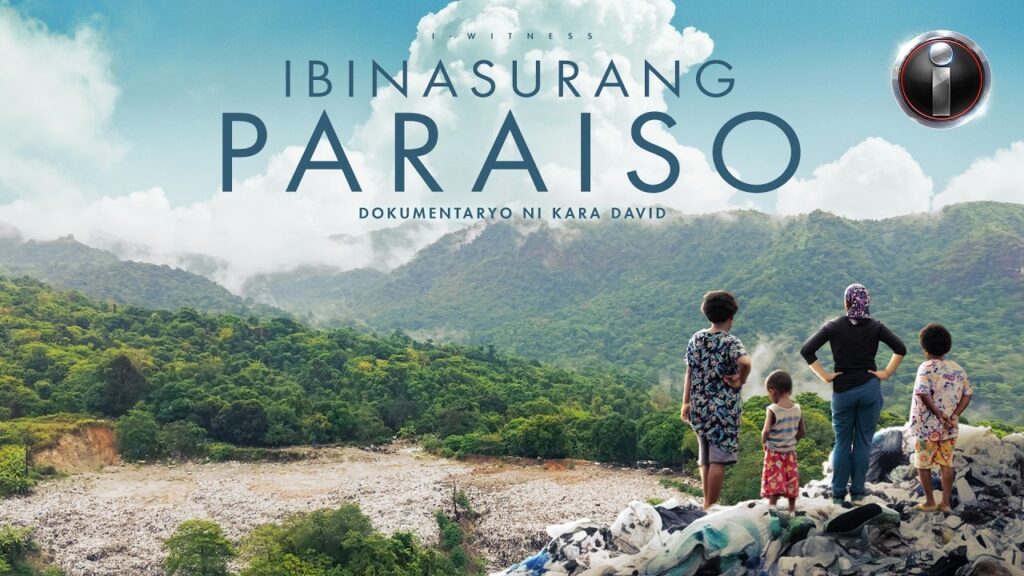
A documentary by journalist Kara David has brought renewed public attention to an open dumpsite operating within the ancestral domain of the Aeta Ambala Indigenous Cultural Community in Subic, Zambales.
The investigation reported that the site had been used for several years without the required environmental permits. Records from the Department of Environment and Natural Resources (DENR) show that the dumpsite had previously been found in violation of the Ecological Solid Waste Management Act, with authorities ordering its closure and the transfer of waste to a sanitary landfill.
The documentary also highlighted concerns raised by the National Commission on Indigenous Peoples (NCIP), which recognizes the area as part of the Aeta Ambala ancestral domain. Environmental groups and community members have expressed concern over the potential effects of continued waste disposal on nearby forests, waterways, and the surrounding community.
Following the documentary’s release, I-Witness issued a public statement responding to online claims that questioned its findings. The program said its investigation was based on official government records, field documentation, interviews, and weeks of research, and reaffirmed that it stands by the facts presented in the report.
Photo: GMA Public Affairs / I-Witness
Source: I-Witness official statement; Department of Environment and Natural Resources (DENR); National Commission on Indigenous Peoples (NCIP).
Watch the documentary: Ibinasurang Paraiso by Kara David (I-Witness, YouTube).